
IDDRI

Navigation principale

  • Topics

    Topics

    • Agriculture and Food
    • Biodiversity
    • Climate
    • Energy
    • Financing developing economies
    • Lifestyles
    • New industrial policies
    • Ocean
    • European Green Deal
    • Transport
  • News
  • Publications - Events - Podcasts
  • About us

    About us

    • About IDDRI
    • Staff
    • Governance Bodies
    • Financial Partners
    • Research Partners
    • Transparency
    • Annuals Reports
    • Contact
    • Careers
    • ln|LinkedIn
    • bs|Bluesky
    • yt|Youtube
  • Networks

    Networks

    • Deep Decarbonization Pathways
    • Mobility in Transition Institute
    • Ukȧmȧ
    • European Think Tanks Group
    • Think Sustainable Europe
    • IDGM+
  • FR
  • EN

Navigation principale

  • Topics

    Topics

    • Agriculture and Food
    • Biodiversity
    • Climate
    • Energy
    • Financing developing economies
    • Lifestyles
    • New industrial policies
    • Ocean
    • European Green Deal
    • Transport
  • News
  • Publications - Events - Podcasts
  • About us

    About us

    • About IDDRI
    • Staff
    • Governance Bodies
    • Financial Partners
    • Research Partners
    • Transparency
    • Annuals Reports
    • Contact
    • Careers
    • ln|LinkedIn
    • bs|Bluesky
    • yt|Youtube
  • Networks

    Networks

    • Deep Decarbonization Pathways
    • Mobility in Transition Institute
    • Ukȧmȧ
    • European Think Tanks Group
    • Think Sustainable Europe
    • IDGM+
  • FR
  • EN

Breadcrumb

  1. > Back to “Publications - Events - Podcasts”
Op-ed December 5th 2017

How can China pull off a soft landing for coal?

chinadialogue.net

  • Share on Facebook
  • Share on BlueSky
  • Share on Linkedin
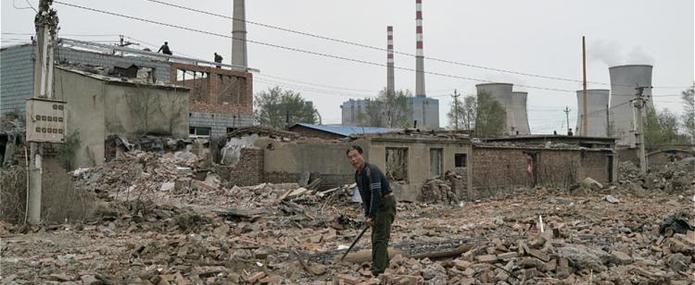
©Stam Lee

 (Image: © Stam Lee)

    [...] For its part, China’s government has made recent announcements that could help to limit its coal use. Its Nationally Determined Contribution (NDC) to the Paris Agreement, which sets out China’s actions to address climate change, will increase the share of non-fossil fuel sources to 20% of primary energy by 2030. It’s 13th Five-year Plan for electricity also caps total coal-fired power at a maximum of 1,100 gigawatts of capacity. And there have been recent attempts to control unnecessary new investment. In the longer term, keeping global temperature rises below 2C will require a decrease in coal consumption in China in favour of cleaner energy sources. The question is how will China achieve this without derailing its economy, or cause a panic in its gigantic coal power sector which is already dependant on government perks to offset falling profit margins. Can China pull off a soft landing for its coal sector? [...]

    Read the op-ed
    • Climate
    • Coal
    • China

    Auteur

    Oliver Sartor

    Oliver Sartor

    Senior Research Fellow, Climate and Energy

    Follow IDDRI's News

    Register
    IDDRI

    Pied de page

    • Contact
    • Iddri in the media
    • Press Releases
    • Careers
    • Legal notice
    • Cookie preferences
    • ln|LinkedIn
    • bs|Bluesky
    • yt|Youtube